Bathrooms Designed Around Safe Daily Use
Accessible Bathrooms in Broken Arrow for homeowners with mobility limitations or long-term accessibility goals
Bathrooms become hazardous when fixtures sit too low, floors turn slick, and entry requires stepping over barriers. Sound Contracting rebuilds bathrooms to support safer, easier use through barrier-free showers, grab bars anchored into wall studs, non-slip flooring, wider doorways, and fixtures positioned for seated or standing access. The work focuses on eliminating obstacles and reducing fall risk while keeping the space looking modern and comfortable rather than clinical.
Accessible bathroom design starts with identifying which tasks cause difficulty—whether that's stepping into a tub, reaching faucets, navigating tight corners, or standing for extended periods. Fixtures are then repositioned, entry points are cleared, and surfaces are upgraded to materials that provide traction and support. The layout accommodates mobility aids like walkers or wheelchairs, and everything from light switches to towel bars is placed within easy reach.
Request an in-home consultation to review your current bathroom setup and discuss layout changes.
What Changes After Accessibility Upgrades Finish
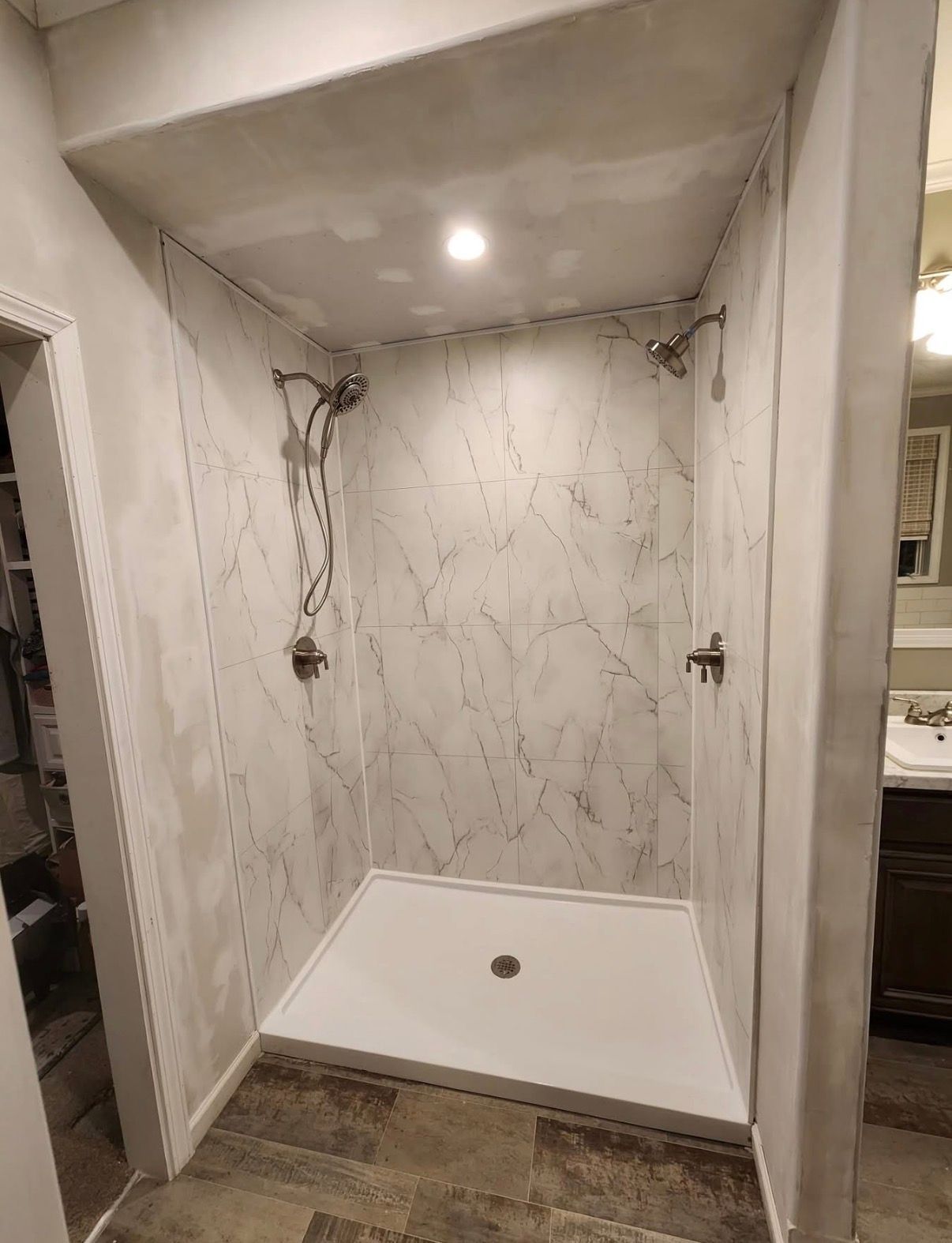
The shower entry sits flush with the floor or features a low threshold under two inches, so you step in without lifting your leg high or risking balance loss. Grab bars are mounted at strategic points near the toilet and inside the shower, anchored into solid framing to support full body weight during transfers. Flooring switches to textured materials that grip wet feet, and the door widens to allow passage without turning sideways or bumping into the frame.
Once the remodel completes, you enter the bathroom without struggling through a narrow door, the shower feels stable and secure with grab bars exactly where you need them, and the floor stays grippy even when water splashes outside the shower area. Faucets and controls sit within arm's reach whether you're seated or standing, and the entire space supports independence without requiring assistance for basic tasks.
Additional considerations include whether to install a wall-mounted or handheld showerhead for seated bathing, how much clear floor space is needed for turning radius if a wheelchair is involved, and whether the toilet requires height adjustment or support rails. These decisions depend on current mobility levels and any anticipated changes over the coming years.
Property owners often ask about the technical details and what makes a bathroom truly accessible rather than just updated.
Common Questions About Accessible Bathroom Work
What makes a grab bar safe versus decorative?
Accessible grab bars are anchored directly into wall studs or blocking behind the wall surface, rated to support at least 250 pounds of force, and positioned at specific heights based on ADA guidelines—typically thirty-three to thirty-six inches from the floor.
How does non-slip flooring actually work?
The material includes textured surfaces or embedded grit that increases friction between your feet and the floor, even when wet, without feeling rough enough to irritate bare skin or make cleaning difficult.
What is barrier-free entry in a shower?
It means the shower floor sits level with the bathroom floor with no curb or lip to step over, achieved by recessing the shower pan into the subfloor and sloping the drain properly to prevent water from spreading into the main bathroom area.
Why do some accessible bathrooms include fold-down seats?
Built-in or fold-down shower seats allow you to bathe while seated, reducing fatigue and fall risk, and they fold up against the wall when not needed to keep the space open for standing use.
How does Broken Arrow's older housing stock affect bathroom accessibility?
Many homes built in the 1960s and 1970s have smaller bathrooms with narrow doorways and tight layouts, so accessibility upgrades sometimes require expanding the footprint or relocating fixtures to create adequate maneuvering space.
Sound Contracting plans each accessible bathroom with attention to how you actually use the space, so the finished design supports daily routines without feeling like a medical facility. Schedule a project review to discuss fixture placement and entry options that match your mobility needs.