
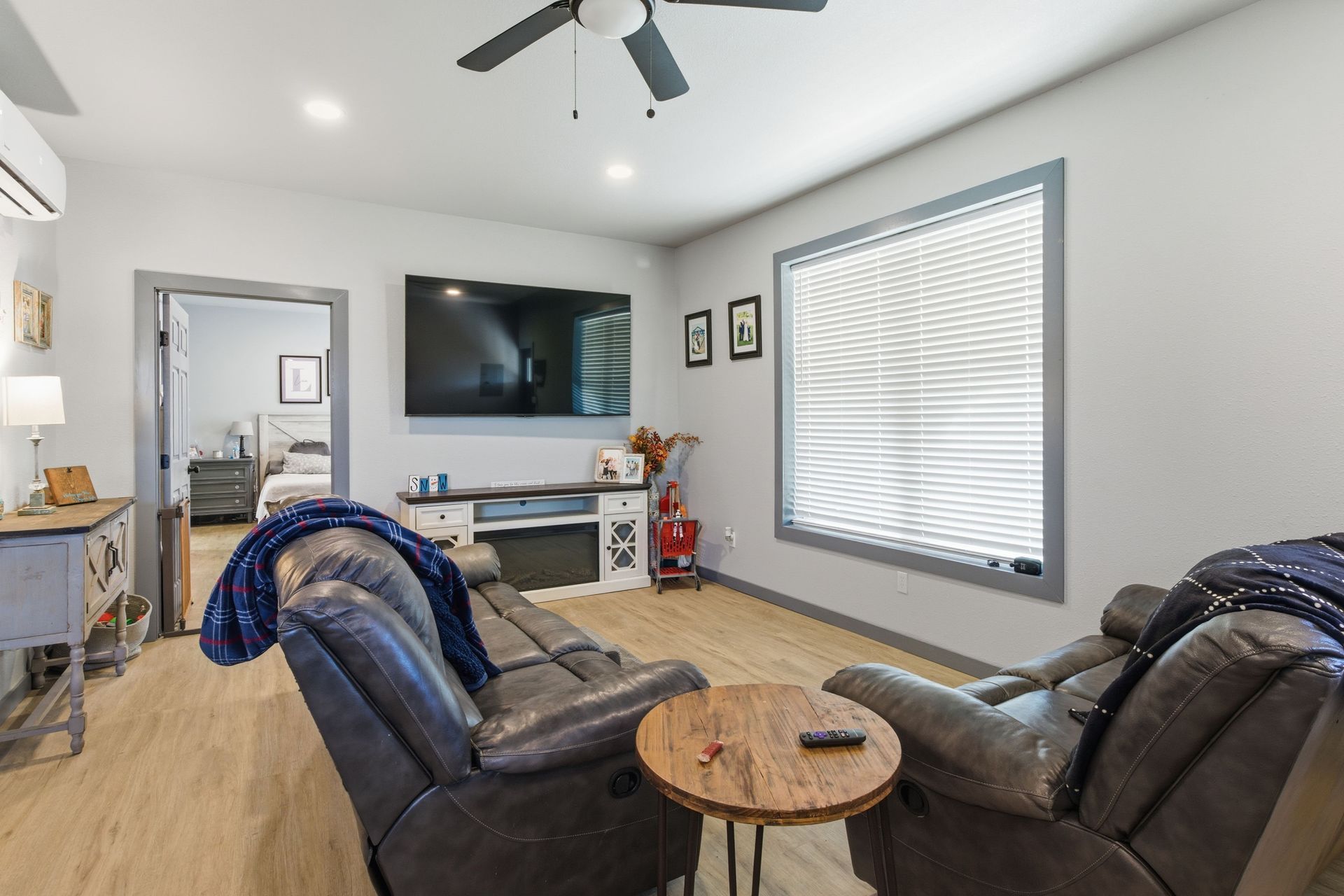
Built Small Without Cutting Standards Short
Sound Contracting builds custom tiny homes across Broken Arrow designed for long-term use.
You need a home that fits your life without demanding a full-size footprint, and in Broken Arrow, a well-built tiny home offers exactly that. These structures deliver real living space where every square foot serves a clear purpose, whether you are setting up a main residence, adding a guest suite to your property, or building a rental unit that generates income. Sound Contracting approaches each tiny home with the same construction standards used on traditional houses, which means proper framing, insulation that holds up year-round, and systems that function reliably in Broken Arrow weather.
The build process begins with your goals and the layout that supports them, then moves through material selection, structural framing, electrical and plumbing installation, and exterior finishing. You choose fixtures, finishes, and storage configurations that match how you actually live, and the design accounts for ventilation, natural light, and access without cramping movement inside. The result is a structure that feels intentional rather than improvised, with quality materials and honest craftsmanship driving every decision.
If you are ready to talk through what a tiny home could look like on your Broken Arrow property, reach out to Sound Contracting to start the planning conversation.
How the Structure Takes Shape on Your Property
Building a tiny home in Broken Arrow starts with site evaluation and foundation prep, whether that means a concrete slab, pier and beam support, or a trailer base if mobility matters to you. Framing follows standard load-bearing practices scaled to the footprint, and walls are insulated to handle summer heat and winter cold without relying entirely on mechanical systems. Electrical panels are sized for actual usage, plumbing lines are routed for efficiency, and windows are placed to pull in light and airflow where you need them most.
Once the build is finished, you will notice that cabinet doors close evenly, outlets are positioned where you plug things in most often, and the layout lets you move through the space without constantly adjusting your path. Storage is built into walls, under seating, and above doorways so belongings stay accessible but out of the way. The structure holds temperature better than you might expect from a smaller envelope, and finishes hold up under daily contact because they were chosen for durability rather than appearance alone.
This type of construction requires coordination with local permitting and inspections, which Sound Contracting handles as part of the project timeline. The work does not include land preparation beyond the building footprint or long-term landscaping, but it does cover all structural, mechanical, and finish carpentry needed to make the home livable. The goal is a finished space that supports your routine without requiring constant maintenance adjustments.
Building a tiny home brings up practical concerns about how it fits your property, what you can legally build, and how long the process actually takes, so here are answers to the questions that come up most often during early conversations.
You Probably Have a Few Questions Before Moving Forward
Sound Contracting has built tiny homes across Broken Arrow for families, retirees, and property owners looking to add flexible living space without taking on a massive project. If you are considering a build and want to talk through layout options, site requirements, or budget expectations, get in touch to schedule a consultation.